How to Save Reddit & Forum Links (2026 Guide)
Written by LinkVault Team
Three years ago, I spent an entire Saturday chasing down a stubborn Docker networking bug. After hours of dead ends, I found a buried comment deep in a r/docker thread that cracked the problem wide open. I upvoted it, muttered my thanks, and moved on. Two months later, the same issue surfaced on a different project. I went back to find that thread — and the user had deleted their account. The solution was gone. That moment is what pushed me to start building a personal solution library, and it is exactly the scenario LinkVault was built to support. This guide walks through how to capture, preserve, and organize Reddit and forum solutions before they disappear.
The Fragility of Forum Knowledge
Reddit is one of the most valuable problem-solving resources on the internet, but it is also one of the most fragile. Users delete accounts. Subreddits go private overnight. Threads get archived and stop surfacing in search. Moderators remove posts that violate evolving rules. When you rely on a bookmark or a browser history entry alone, you are trusting that the page will still exist when you need it — and often, it will not. The link itself is just a pointer. What you actually need is the solution: the answer, the context, and enough detail to act on it later. That gap between finding an answer and still being able to use it six months from now is where a tool like linkvault earns its keep.
Capture the Answer, Not Just the URL
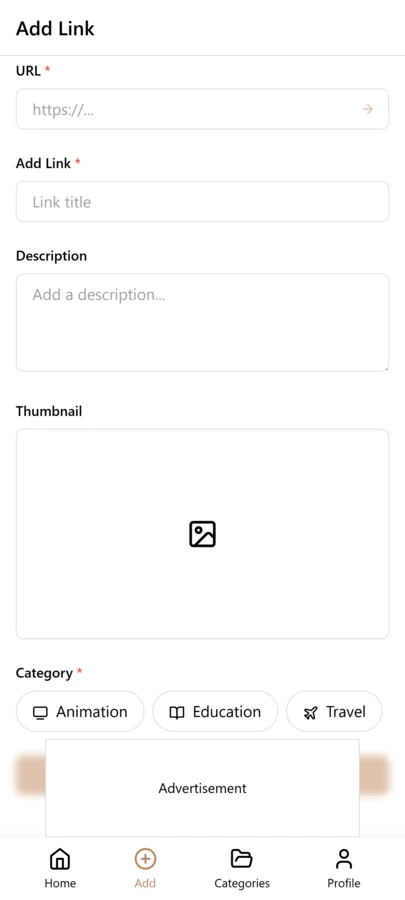
Here is the workflow I settled on after losing that Docker thread. When I find a Reddit comment or forum post that solves a real problem, I save it to LinkVault immediately — but I do not stop at the URL. I write a one-line summary of what the solution actually was. If it is a config change, I note the specific setting. If it is a product recommendation, I note the model and why the thread recommended it. If it is advice, I distill it into a sentence or two. The original thread is still there for full context, but my note means I can act on the solution even if the thread later vanishes. This habit turned my linkvault from a dumping ground into something I actually trust and return to.
Three Scenarios Where a Saved Link Saved Me
My library has paid off in three situations that had nothing in common except that a Reddit thread held the answer I needed.
- Repeat tech issue: That Docker networking bug came back a third time. This time, my LinkVault entry had the specific iptables rule and a link to the original r/docker thread. Ten seconds to resolve instead of another lost weekend.
- Product recommendation: I had saved a r/BuyItForLife thread about a vacuum that survived five years of abuse. When my old one died six months later, I opened my linkvault, grabbed the model number and the reasoning, and bought without re-researching.
- Career advice: A sharp comment on r/cscareerquestions about structuring a counteroffer stuck with me. A year later, my saved note reminded me of the exact phrasing the commenter suggested — and the negotiation worked. That thread is long deleted now, but the advice lives on in my library.
Tagging by Problem Type and Platform
Organization is what separates a solution library from a bookmark folder. In LinkVault, I tag every saved thread in two dimensions. The first is problem type: docker-networking, salary-negotiation, vacuum-recommendation, postgres-tuning. These tags group solutions by the actual issue, not by where I found them. The second is platform: reddit, hackernews, stackoverflow, serverfault. This matters because the same problem can have different answers on different platforms, and I want to compare them side by side. I also use a status tag — solved, unverified, or outdated — so I know which entries I have personally confirmed. A search for docker across linkvault pulls up every Docker-related solution I have ever saved, regardless of which forum it came from.
Building the Library Over Time
You do not build a solution library in a weekend. You build it one saved thread at a time, and the habit matters more than the volume. Here is the rhythm that works for me:
- Save the link the moment you find a real solution — do not wait until later, because later is how threads disappear.
- Write a one-line summary in LinkVault before you close the tab. If you cannot summarize it in a sentence, you do not understand the solution yet.
- Tag by problem type and platform immediately. Retroactive tagging is painful and usually does not happen.
- Revisit and verify. When you actually use a saved solution, update the note with what worked and what did not. Mark it solved.
- Prune periodically. Delete entries you have outgrown — advice for junior roles is not useful when you are senior, and outdated tech solutions can mislead. Think of it as tending a garden, not filling a warehouse.
Preserving Full Solutions When Threads Are at Risk
There is a difference between saving a link and preserving a solution, and understanding that difference is what separates a reliable library from a collection of broken pointers. A link is a pointer to content someone else controls. A preserved solution is knowledge you own, regardless of what happens to the original page. When you encounter a forum thread that holds a genuinely valuable answer, take a moment to assess the risk level. Is the thread already archived? Is the commenter's account relatively new or showing signs of inactivity? Is the subreddit volatile — prone to going private during disputes? These signals tell you how urgently you need to preserve the full content, not just the URL. For high-risk threads, the note field in LinkVault becomes your preservation tool. Paste the key comments directly into the note — the exact configuration change, the step-by-step fix, the product model number and the reasoning behind the recommendation. You do not need to copy the entire thread, but you should capture enough that you could act on the solution without ever reopening the link. For particularly long or complex solutions, break the note into clearly labeled sections: the problem, the root cause, the fix, and any caveats the commenters mentioned. This structured note transforms a potentially ephemeral forum thread into a permanent entry in your personal knowledge base. When the original thread inevitably disappears — and on Reddit, it often does — you open LinkVault, read your note, and have everything you need. The link becomes a bonus, not a dependency, and your solution library becomes genuinely trustworthy.
Cross-Referencing Solutions From Multiple Forums
The same problem often gets discussed on multiple platforms, and each platform brings a different perspective. A Docker networking question might have a top-voted answer on Stack Overflow that is technically correct but dry, a Reddit thread that includes the real-world gotchas people hit when applying that answer, and a Hacker News comment that links to a deeper explanation from the maintainer's blog. If you only save one of those sources, you get one dimension of the solution. If you save all three and cross-reference them in LinkVault, you get the complete picture. The workflow is straightforward. When you find a solution on one platform, spend two minutes searching the same question on the others. Save each source to LinkVault with the same problem-type tag — for example, docker-networking — but with different platform tags: stackoverflow, reddit, hackernews. Then, in the note of the most comprehensive source, write a short cross-reference: "Stack Overflow answer gives the config change; Reddit thread covers the edge case with bridge networks; HN comment links to the upstream issue." This cross-reference note ties the separate entries together so that when you search for docker-networking, you see all three links and your note explains how they complement each other. Over time, this practice builds a richer, more reliable solution library than any single platform could provide. You are not just collecting answers; you are triangulating toward the truth, and the gaps or contradictions between sources often reveal the most important nuances — the edge cases, the version-specific bugs, the workarounds that only surface in community discussion rather than official documentation.
When a Saved Solution Becomes Outdated
Solutions have a shelf life, and a saved solution that was perfect in 2022 might be actively misleading in 2025. Software updates deprecate config options. Products get discontinued. Regulatory advice changes. Salary negotiation tactics evolve with the market. If you treat your saved solutions as permanent truths, you will eventually act on outdated information and create new problems for yourself. The defense is a simple maintenance habit. When you actually use a saved solution, take a minute to verify it still applies. Open the original thread if it still exists and check whether anyone has posted an update or correction in the comments. If the solution involves a specific software version, tool, or product, confirm that the version still exists and that the recommended approach has not been replaced by a better one. Then update your LinkVault note with what you found. If the solution still works, add a note like "Verified still working as of March 2025" so future-you knows it was recently checked. If the solution has changed, update the note with the new approach and add an outdated tag to the old entry so it does not mislead you on a future search. For solutions you have not touched in a long time, a periodic review every six months catches stale entries before they cause problems. The goal is not to keep every solution current — that would be impossible. The goal is to know which solutions you have verified and which you have not, so you can trust your library with confidence and treat unverified entries with appropriate caution. A solution library you trust is worth ten times more than a pile of links you have to second-guess every time you open one.
Frequently Asked Questions
Can I save Reddit threads that have already been archived or deleted?
If the thread is still live when you save it to LinkVault, your one-line summary preserves the core solution even if the page later disappears. LinkVault stores the URL and your notes together, so the actionable information survives. For full text preservation, you can paste the key comments directly into your note field.
How is this different from just using Reddit saved posts?
Reddit saved posts are tied to your Reddit account, limited to that platform, and offer no tagging, no summarization, and no cross-platform organization. LinkVault centralizes solutions from Reddit, Hacker News, Stack Overflow, and any other forum into one searchable library with custom tags and notes.
What should I write in the summary note?
Enough to act on without reopening the thread. For a tech fix, note the exact command or setting. For a product recommendation, note the model and the reason. For advice, distill the core principle into a sentence. The goal is self-sufficiency — your linkvault entry should stand on its own.
How many saved links before this becomes useful?
It is useful from the very first save. The library compounds over time — after a few months of consistent saving, you will start finding your own past solutions faster than you can re-search Reddit from scratch. Most LinkVault users report a tipping point around fifty saved entries where the library starts feeling indispensable.
What if the Reddit thread is already deleted when I try to save it?
If the thread is already gone, the URL will lead to a deleted or archived page. However, you can still create a LinkVault entry for it. Save the URL, tag it by problem type, and write everything you remember about the solution into the note field. Even a partial reconstruction from memory is better than nothing, and you can often find a cached version through search engines or archive sites to fill in the gaps. Going forward, the habit of saving solutions the moment you find them — before they have a chance to disappear — is the best protection.
Should I save solutions from forums other than Reddit?
Absolutely. Hacker News, Stack Overflow, Server Fault, specialized community forums, and even old-school mailing list archives all contain valuable solutions that Reddit does not. LinkVault is platform-agnostic, so you can save links from any source and tag them by platform. Cross-referencing the same problem across multiple forums often reveals edge cases and nuances that a single source misses, making your solution library more robust and reliable than relying on any one platform.